

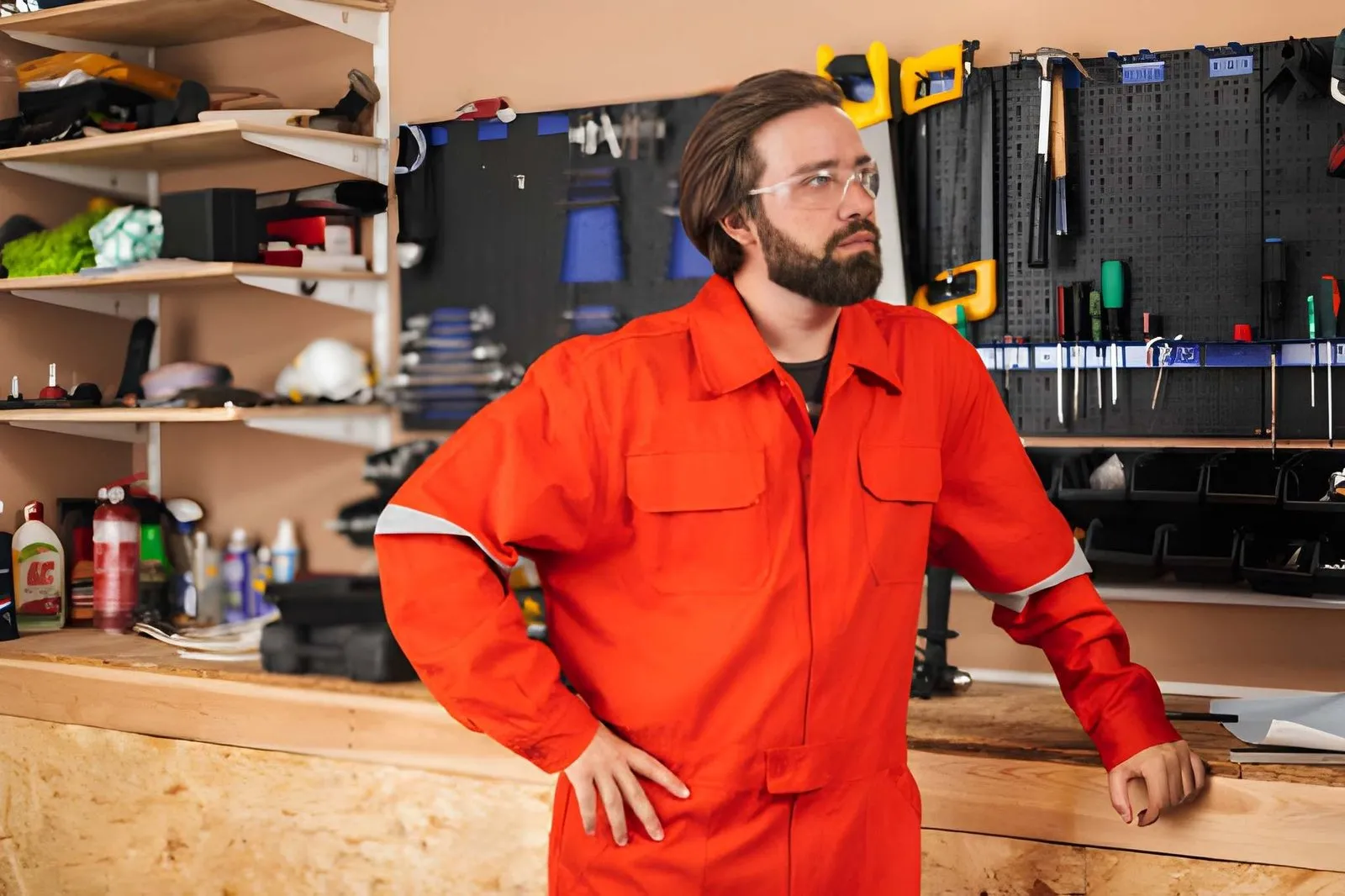
A good pair of coveralls is one of the most practical pieces of workwear a man can own. They protect your clothes, block wind and cold, and hold up to abuse that would ruin jeans and a jacket. But buying the wrong pair can mean overheating on a mild day, freezing on a cold one, or fighting a fit that restricts every movement. Here are the questions worth answering before you buy.
Do You Need Insulated or Uninsulated Coveralls?
Uninsulated coveralls, usually cotton twill or lightweight canvas, suit mechanics, painters, and anyone working in moderate temperatures who mainly needs to keep dirt and grease off their clothes. They breathe well and work year-round in a shop or garage. Insulated coveralls are built for cold outdoor work such as feeding livestock, plowing snow, or winter construction, with a quilted lining or synthetic fill that traps heat while still allowing reasonable movement. If your work spans both settings, owning one of each is often more practical than trying to make a single pair do everything.
Which Fabric Holds Up Best?
Cotton duck canvas is the classic choice for heavy-duty work. It’s tightly woven, resists abrasion, and gets more comfortable as it breaks in. Heavier canvas lasts longer but gives up some flexibility, so many modern coveralls add a small amount of stretch fiber for bending, kneeling, and climbing. Polyester blends resist stains and dry faster, while flame-resistant fabrics are essential for welders, electricians, and anyone working near open flame. Some outer shells also carry a water-repellent finish that helps shed light rain and snow.
How Should Coveralls Fit?
Coveralls should be roomy enough to layer a sweatshirt or flannel underneath, but not so loose that extra fabric snags on equipment. Torso length is the detail most people miss. If the body is too short, the coveralls pull at the shoulders and crotch every time you bend, which is why many brands offer tall and short sizes. Check the inseam too, since fabric bunching over your boots becomes a tripping hazard. If possible, try them on with the layers and boots you’ll actually wear, then squat, reach overhead, and climb a step to see how they move.
What Features Make Daily Wear Easier?
Two-way front zippers let you vent from the bottom or reach your pants pockets without unzipping completely. Leg zippers running hip to ankle let you pull coveralls on and off over work boots, which matters if you take them off several times a day. Storm flaps over zippers block wind and moisture. Chest pockets, hand-warmer pockets, tool pockets, and reinforced knees with knee pad slots add everyday practicality. Triple-stitched seams and bar-tacked stress points signal a pair built to last more than one season. Knee pad pockets are especially useful if you spend time kneeling on concrete or frozen ground.
Are Hoods and Reflective Details Worth It?
That depends on where you work. An attached or detachable hood adds warmth in snow and wind, adjustable cuffs seal out cold air, and reflective strips improve visibility near roads or in low light. A detachable hood is the more flexible option, since you can leave it off on calmer days.
Frequently Asked Questions
Should I size up in coveralls? Usually only if you plan to wear heavy layers underneath. Check the brand’s size chart and pay attention to torso length, since that affects comfort more than chest size alone.
How warm are insulated coveralls? It varies by fill weight and fabric, so match the insulation level to how cold it gets and how active you’ll be. Someone shoveling all morning needs less insulation than someone standing at a job site.
Can I wear coveralls in a heated shop? Uninsulated coveralls work well indoors; insulated ones will likely be too warm.
How long should a good pair last? With regular care and prompt repairs, quality canvas coveralls can last several seasons of heavy use.
Comparing options side by side is the easiest way to narrow things down, and a dedicated selection of coveralls for men lets you weigh insulation, fabric, and features until you find a pair that fits both your body and your workload.

Alan Abel is a naming specialist and author at BoldlyNames, with over five years of experience in name research and selection. He helps readers choose meaningful, culturally aware, and well-suited names for people, brands, and projects. Alan’s work combines practical insight, linguistic understanding, and real-world naming trends to deliver clear, reliable guidance readers can trust.