

Key Takeaways
Bamboo panels come in an array of styles, making them a perfect match for both traditional and modern interiors. It’s essential for clients to identify their personal style to create a cohesive look throughout their space.
The dimensions and textures of bamboo panels significantly affect their visual appeal; larger panels tend to make bold statements, whereas smaller ones are ideal for more confined areas. Achieving a balance in texture is crucial for crafting the right atmosphere.
Having the right tools and materials on hand is vital for a successful bamboo panel installation, including quality adhesive and tools like a utility knife and measuring tape. Investing in premium materials is likely to yield the best results.
The process of installing bamboo panels typically involves several steps: preparing the surface, taking accurate measurements, applying adhesive, and sealing gaps for a refined finish. Most homeowners can accomplish this task over a weekend.
These panels are remarkably versatile and can be used creatively, serving as accent walls or room dividers that elevate both aesthetics and functionality. They also enhance acoustic qualities in open-plan spaces.
When using bamboo panels outdoors, it’s important to choose weather-resistant options to ensure durability against environmental factors. Treated panels are often recommended to preserve their beauty and structural integrity over time.
Maintaining bamboo panels is straightforward and involves simple cleaning practices, such as regularly dusting with a soft cloth and steering clear of harsh chemicals, to keep their appearance intact. Promptly addressing any signs of wear or performing minor repairs can extend their appeal.
How to Select the Perfect Bamboo Panels for Your Project
Identifying Your Style: Traditional vs. Modern Appeal
Bamboo panels are available in various styles, merging natural beauty with fine craftsmanship. Some lean more towards a traditional appearance, while others exude a sleek modern feel. Recognizing individual style is crucial before embarking on a project. Reflecting on existing decor plays a significant role—is it vintage or contemporary? Each project deserves a distinct touch, and less experienced decorators may underestimate how style consistency can truly enhance a room.
Traditional bamboo panels often highlight earthy tones and intricate designs, reminiscent of ancient Asian artistry. Clients should seek products that display natural grain patterns to enhance authenticity. Conversely, modern options tend to showcase sleek finishes and minimalist designs, ideal for a high-tech urban setting. Ultimately, the choice hinges on the desired ambiance.
Dimensions and Textures: What Works Best for Your Space?
Dimensions and textures strongly impact the effect bamboo panels have within any room. Consider the available square footage. While larger panels make a striking statement, they can overpower smaller spaces. Conversely, smaller panels may be more suited for tighter areas. Texture also plays a vital role; a smooth finish offers a sleek appearance, whereas a rougher surface introduces a rustic feel. It’s all about finding that perfect balance.
When selecting dimensions, experts often suggest stepping back and visualizing how these panels will fit with existing elements. Which shapes will best complement nearby furniture? Will the texture contrast or harmonize with adjacent surfaces? Comprehending these interactions can enhance not only aesthetics but also functionality. A thoughtful combination of dimensions and textures ultimately increases the effectiveness of bamboo panels in any given space.
Installation Insights: Making Bamboo Panels Work for You
Essential Tools and Materials for a Flawless Finish
Having the right tools and materials is key for installing bamboo panels successfully. Professionals emphasize the importance of using high-quality adhesive, while essentials also include a utility knife, measuring tape, and a level. Without these tools, achieving a crisp and polished finish can be quite challenging. Investing in quality materials pays off over time.
In addition to tools, selecting the correct adhesive is non-negotiable. Many installers suggest using construction-grade adhesive to guarantee a strong bond. It’s vital to pay attention to the manufacturer’s instructions, as each product has specific requirements. A typical DIY toolkit may fall short; including specialized items such as clamps or a heat gun can be very helpful. This level of preparation will save time and frustration during installation, leading to successful outcomes.
Step-by-Step Guide: Installing Panels Like a Pro
Installing bamboo panels may feel intimidating at first, but a clear plan can lead to professional-quality results. Adhering to a structured process is essential.
- Prepare the surface. Ensure walls are clean, dry, and devoid of old materials.
- Measure accurately. Precise measurements help minimize waste during installation.
- Cut panels. Use a utility knife to score and snap panels to the correct size.
- Apply adhesive evenly to the back of the panel for a sturdy bond.
- Press the panel firmly against the wall, using clamps to hold it in place as the adhesive cures.
- Fill gaps with caulk for a seamless finish. Sand if necessary to achieve even texture.
Most homeowners can wrap up this project within a weekend. After installation, the noticeable transformation will surely catch the eye. Careful planning, preparation, and execution create the foundation for a successful bamboo panel installation.
Creative Uses for Bamboo Panels: Beyond the Ordinary
Transforming Indoor Spaces: Accent Walls and More
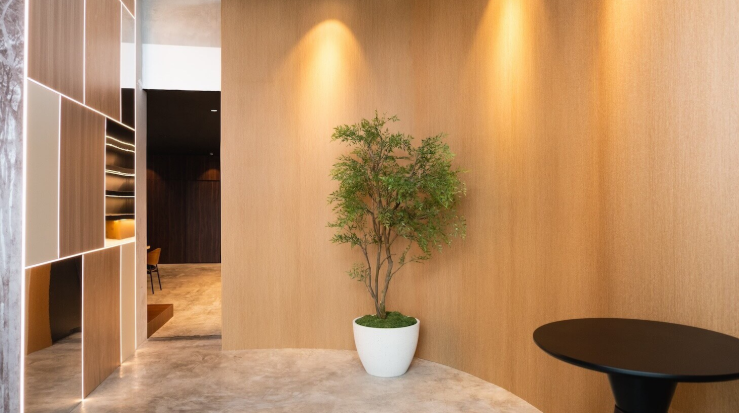
The charm of bamboo panels lies in their versatility; they can enhance indoor environments in unexpected ways. Think about utilizing them for accent walls that draw the eye. This not only adds depth to the space but also brings warmth. Picture a living room accentuated by a stylish bamboo panel wall—guests would immediately feel at home.
Bamboo panels extend beyond walls; they can serve as room dividers, skillfully creating defined spaces in open layouts. By installing them vertically, elegant partitions form, fostering a cozy, intimate atmosphere. Beyond their aesthetic appeal, bamboo’s acoustic properties help to reduce noise, combining style with practicality.
Outdoor Applications: Weather-Resistant Strategies
Using bamboo panels in outdoor settings calls for a different approach, particularly regarding durability. Choosing weather-resistant options is crucial, as they must endure elements like rain and UV rays. Professionals often recommend treated bamboo panels for enhanced longevity. Over time, quality panels will maintain their allure.
Imagine creating a stunning outdoor feature wall—it could turn a simple backyard into a tranquil haven. Bamboo panels can also enhance fencing design, providing a unified look. Another smart application involves using them for shade structures or pergolas, crafting chic and functional outdoor lounging spots.
Maintenance Made Easy: Keeping Your Bamboo Panels Immaculate
Cleaning Tips to Preserve Appearance and Longevity
Maintaining bamboo panels doesn’t have to be a chore. In fact, simple cleaning methods can help them retain their radiant shine for years. Regular dusting with a soft cloth is a great start. Professionals typically advise against harsh chemicals that could harm the natural finish. Instead, a mild soap solution is recommended for deeper cleaning if necessary.
Wiping down panels every few months helps maintain their appearance while preventing dust accumulation. Clients often discover that minimizing moisture during cleaning is essential; excess water can lead to warping or damage over time. A proactive approach to maintenance allows bamboo to flourish, beautifully combining aesthetics and durability.
Recognizing and Addressing Common Wear and Tear
Over time, even the most durable bamboo panels can exhibit signs of aging. Recognizing these early on can prevent costly repairs. Discoloration or fading often results from extensive sun exposure. Adopting UV-resistant treatments or repositioning panels can help mitigate this issue. Scratches may also appear but can frequently be addressed with touch-up finishes.
A little maintenance goes a long way in preserving the beauty of bamboo panels.
Keeping an eye on joints and seams is important; they may loosen with time. Tightening connections or applying fresh adhesive often resolves these issues. With diligent attention, it remains entirely achievable to preserve both the allure and functionality of bamboo panels.
FAQ
What are the best design themes to pair with bamboo panels?
Experts often suggest matching bamboo panels with natural, rustic, or Scandinavian design themes. These styles emphasize the organic beauty of bamboo while creating a warm ambiance. Additionally, they can complement contemporary designs with their clean lines and minimalist aesthetics.
How do bamboo panels compare to other wall materials?
Bamboo panels uniquely blend eco-friendliness, aesthetic appeal, and durability, a combination not often seen with traditional materials. Unlike vinyl or drywall, bamboo presents a natural look with added texture, enriching both visual and auditory aspects in a space. This distinctive quality truly sets bamboo apart in interior design.
Can bamboo panels be painted or stained?
Absolutely, for clients interested in customization, bamboo panels can be painted or stained without issue. Light sanding may be needed for better adhesion, but it’s imperative to choose products that work well with bamboo’s surface. This flexibility allows for tailored aesthetics while preserving the panel’s inherent beauty.
Are there specific bamboo panel brands recommended by experts?
While numerous reputable brands manufacture bamboo panels, professionals advise looking into products from companies known for their sustainable practices. Brands emphasizing eco-friendly sourcing and quality often produce panels that are not only visually appealing but also built to last. Detailed reviews and recommendations can aid in identifying the best choices.
How does humidity affect bamboo panel performance indoors?
Humidity sure can impact bamboo panels, as this material typically expands and contracts in response to moisture levels. Installing panels in consistently controlled environments helps avoid warping while preserving aesthetics. Clients usually find that maintaining proper ventilation and humidity is crucial for long-term durability.
What makes bamboo a sustainable choice for home decor?
Bamboo is remarkably sustainable due to its rapid growth cycle and the fact that it doesn’t require replanting after harvesting. Its minimal resource consumption during growth makes it a preferred option for environmentally conscious consumers. Opting for bamboo panels supports eco-friendly practices and enhances home decor.
Can bamboo panels be used in commercial spaces?
How can bamboo panels contribute to indoor air quality?
Utilizing bamboo panels can actually benefit indoor air quality by absorbing carbon dioxide and releasing oxygen in return. This process leads to healthier living spaces, particularly in urban settings. Beyond their visual appeal, using bamboo can significantly enhance a space’s overall well-being, making it a smart choice for eco-friendly homeowners.
Useful Resources
- Green Home Guide– A comprehensive resource for eco-friendly building materials, including bamboo.
- Bamboo Supply Co.- Offers a variety of bamboo products along with sustainable practices information.
- The Bamboo Warehouse- Specializes in bamboo panels and provides design inspiration for home projects.
- Houzz- An online community showcasing home design ideas featuring bamboo decor and products.
- Apartment Therapy- Articles and tips on incorporating bamboo in home design and decor.
- Bamboo and Beyond- A source for sustainable bamboo products and insightful information.
- YouTube- Search for DIY tutorials focusing on bamboo panel installation and maintenance.
- Designboom- Features articles on innovative applications of bamboo in contemporary architecture and design.

Alan Abel is a naming specialist and author at BoldlyNames, with over five years of experience in name research and selection. He helps readers choose meaningful, culturally aware, and well-suited names for people, brands, and projects. Alan’s work combines practical insight, linguistic understanding, and real-world naming trends to deliver clear, reliable guidance readers can trust.