

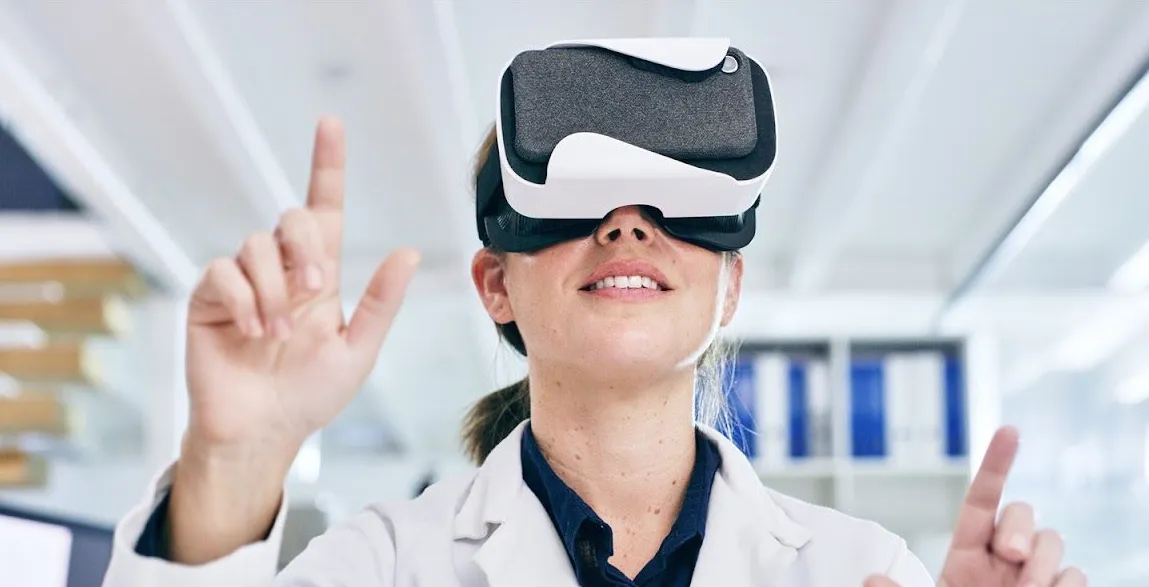
Not long ago, a simple visit to the doctor meant shuffling through stacks of paperwork, wading through thick folders stuffed with old reports, and, let’s be honest, trying to decipher a doctor’s handwriting that could have made a spider look like Picasso. Fast forward to today, and the healthcare sector is embracing technology in a way that not only streamlines processes but makes life so much easier for everyone involved. How did we get here? And what does it mean for the future of medical workspaces?
From Paper to Pixels
Remember when calling your GP meant waiting ages on hold, heart racing as you replayed your symptoms in your head? With tech on the scene, those frantic moments are fading. Digital patient records have taken centre stage, replacing bulky filing cabinets with secure online platforms. Imagine logging in from your couch—checking your test results, making appointments, or sending a quick question directly to your doctor, all with a few clicks. It’s like having a mini consultation from the comfort of your PJs!
Telemedicine: A Game Changer
The world of telemedicine has truly turned the healthcare experience on its head. It’s like having a doctor in your pocket (well, you know what I mean). Australians living in remote areas can now connect with specialists who used to feel worlds away. No need for long drives or waiting weeks to see someone who can help; real-time video consultations allow doctors to diagnose and prescribe all while you sit in your favourite armchair, sipping a cuppa. It’s about time, isn’t it?
Of course, not everything can be done through a screen. But for follow-ups or minor ailments, what a relief! Patients are finding new comfort in this approach, and many surely appreciate not having to navigate the often overwhelming sensory experience of a hospital waiting room.
Wearable Technology: Keeping Us in Check
Let’s talk wearables. You know, those clever little devices that tell you not just how many steps you’ve taken (even if they sometimes slyly encourage you to get off the sofa) but also monitor your heart rate, sleep patterns, and blood pressure. In combining these with healthcare systems, practitioners are now able to keep a closer eye on their patients’ health remotely. It’s like having a mini health assistant strapped to your wrist!
But hold on a minute; it begs the question: are we starting to rely too much on technology? There’s a fine line between using tech as a tool and letting it take the wheel. A healthy dose of human interaction remains vital, but blending that with our ever-evolving tech means higher efficiency and better outcomes.
Redefining Medical Fitouts
As tech continues to transform healthcare, we’re also seeing a shift in how medical spaces are designed. Those outdated, drab clinics with flickering fluorescent lights aren’t going to cut it anymore. Modern medical fitouts are embracing open spaces, natural light, and calming colour palettes that not only welcome patients but also create a positive work environment for practitioners. It’s more than just aesthetics; it’s about healing spaces that reduce anxiety and foster comfort. The right medical fitout can make all the difference! Who wouldn’t want to feel relaxed in a space that feels fresh and inviting?
The Role of AI in Diagnostics and Treatment
Artificial Intelligence has been making waves in numerous fields, and healthcare is no exception. From analysing images to providing treatment recommendations, AI is rapidly augmenting doctors’ capabilities. But it’s not about replacing humans; it’s about enhancing what they can do. Think about it: AI can crunch massive amounts of data to spot patterns that might elude even the most experienced practitioners. It’s like having a super-smart assistant focused solely on improving patient care.
Picture an oncologist using AI to assess scans and make sense of complex data sets to create tailored treatment plans. The potential is enormous. Sure, some medical professionals might feel a twinge of concern regarding the implications of AI. Will it take jobs? The reality is that AI is here to stay, and embracing the change rather than resisting it could be the key to unlocking a brighter future in healthcare.
Patient Engagement through Technology
It’s fascinating how technology is bridging the gap between patients and healthcare providers. Mobile apps for appointment booking, reminders for medication, and continuous access to health information are empowering patients like never before. Striking the right balance means engaging patients actively in their care, allowing them to make informed decisions. After all, an informed patient often leads to better adherence to treatment and healthier outcomes.
And let’s not forget social media! While some healthcare professionals may be cautious, using platforms for education and updates can help demystify healthcare processes. A little creativity in sharing information goes a long way in building trust and fostering a supportive community.
Bringing It All Together
As we stand at this exciting crossroads in healthcare, it’s evident that the fusion of technology and medical spaces is just beginning to scratch the surface. With more robust telemedicine services, careful integration of wearables, and intelligent AI applications, the way we think about and engage with our health is shifting remarkably. Sure, we have a long way to go, but the path ahead holds much promise. As each day passes, innovations continue to roll in, creating a landscape of healthcare that is not just about treating illness but embracing wellness. And you’ve got to admit, that seems like a future well worth waiting for.

Alan Abel is a naming specialist and author at BoldlyNames, with over five years of experience in name research and selection. He helps readers choose meaningful, culturally aware, and well-suited names for people, brands, and projects. Alan’s work combines practical insight, linguistic understanding, and real-world naming trends to deliver clear, reliable guidance readers can trust.