

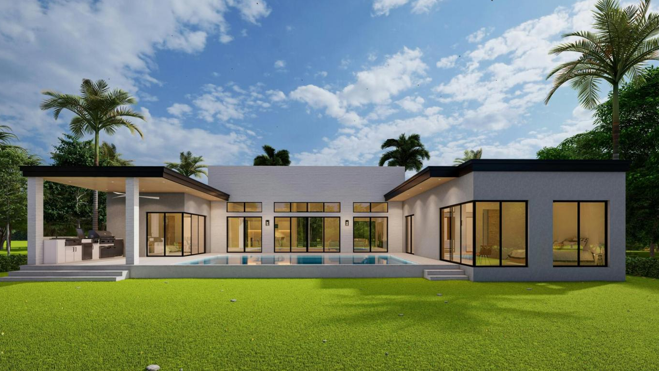
Modern home design is changing quickly, and the roof is no longer just a cover over your head. Homeowners, architects, and builders now see the roof as a part of a home’s style, comfort, and energy performance.
New materials, smart technology, and a stronger focus on sustainability are driving roofing trends. This article looks at the roofing trends shaping modern home design and explains how they influence choices for both new construction and renovations.
The Shift Toward Energy Efficiency
Energy efficiency is now one of the biggest drivers in roofing choices. A roof affects how much heat enters or leaves a home. In warm climates, reflective roofs reduce cooling costs. In colder areas, well-insulated roofs keep heat inside. Modern designs pair roofing materials with better insulation and ventilation.
Homeowners look for products that lower monthly utility bills and reduce environmental impact. This trend has pushed manufacturers to create shingles, tiles, and membranes designed to meet stricter energy codes. Builders now plan roof pitch, color, and underlayment together to improve performance. The goal is a roof that works with the rest of the house instead of simply sitting on top of it.
Professional Roofing Expertise
Choosing the right roof involves more than picking a material and color. Professionals like a roofing company in Johns Creek or in your location can assess the home’s structure, drainage needs, and local building codes before work begins. Professionals can evaluate the existing roof deck, insulation, and ventilation to recommend options that fit the local climate.
Professional guidance helps with warranty requirements and proper installation methods. When working with experienced roofers, homeowners can avoid common mistakes and guarantee the roof performs well for its full lifespan. Good planning makes even complex modern roof designs more reliable and cost-effective.
Cool Roofs and Reflective Materials
Cool roofs use materials that reflect more sunlight and absorb less heat than standard roofs. Light-colored shingles, special reflective coatings, and certain metal finishes can all help. On a hot summer day, a cool roof can stay much cooler than a traditional dark roof. This lowers attic temperatures and reduces the need for air conditioning.
Cool roof technology is popular in regions with long cooling seasons. Many products are rated by their solar reflectance and thermal emittance values. Homeowners can choose asphalt shingles with reflective granules or tile and metal systems with cool color coatings. These roofs reduce the urban heat island effect and make neighborhoods more comfortable. As energy costs rise, cool roof options continue to grow in modern home design.
Solar-Ready Roofing Systems
Solar energy is changing the way people think about roofs. Many homeowners now plan for them from the start. Solar-ready roofing systems include reinforced areas for panel mounting and electrical conduit paths. Some products combine roofing and solar in one system, including solar shingles that look like traditional roof materials.
Solar roofing can be more expensive upfront, yet it can lower long-term electricity costs. Builders design roof slopes and orientations to capture the most sunlight. The trend toward solar-ready roofs is growing as battery storage becomes more common and energy prices remain a concern.
Metal Roofing Gains Mainstream Appeal
Metal roofing has moved from barns and industrial buildings into modern homes. It offers a clean, crisp look that suits contemporary and farmhouse styles. Metal roofs are durable, fire-resistant, and made from recycled materials. They can last decades longer than asphalt shingles when properly installed.
Standing seam panels create strong vertical lines that complement modern architecture. Metal roofs reflect heat well and can be coated in many colors. Many homeowners see the long lifespan and low maintenance as a good investment.
Advances in manufacturing have reduced noise and improved corrosion resistance. Metal roofing is now a common choice in both new construction and roof replacements.
Architectural Shingles and Dimensional Texture
Flat, three-tab shingles are less common as homeowners seek more visual depth. Architectural shingles have multiple layers that create a thicker, textured appearance. They can mimic the look of wood shake or slate at a lower cost. These shingles add character to a roofline and can increase curb appeal.
Builders hide small imperfections and withstand wind better than older styles. Many architectural shingles come with longer warranties. Color blends range from subtle earth tones to bold charcoal shades. Homeowners want roofs that look designed, not just functional.
Mixed Material Roof Designs
Modern home design mixes materials to create visual interest, and roofs are part of that trend. A home may combine a metal accent roof over a porch with asphalt shingles on the main roof. A flat section with a membrane roof may sit next to a sloped metal or tile section. These combinations define different parts of a home and add architectural detail.
Mixing materials can be practical. Metal works well on steep slopes. A membrane system handles a low-slope area. Balance colors and textures so the roof feels cohesive. Homeowners can customize their rooflines without committing to a single material across the entire house.
Sustainable and Recycled Roofing Products
Sustainability is a major theme in modern roofing. Many products now include recycled content, including the following:
- Rubber shingles made from old tires
- Metal panels made from recycled steel
- Wood shakes from certified sustainable forests
- Clay and slate tiles
Homeowners look for products with lower manufacturing emissions. Choosing a durable roof reduces waste, as it needs to be replaced less often. These sustainable options appeal to people who want to reduce their environmental footprint without sacrificing style or performance.
Green Roofs and Living Roof Systems
Green roofs, also known as living roofs, are more common in urban and modern designs. These roofs include a waterproof membrane, a growing medium, and plants. They absorb rainwater, reduce heat, and provide habitat for birds and insects. Green roofs add insulation and can extend the life of the roofing membrane by protecting it from sun and weather. They are heavier than standard roofs, so the structure must be evaluated first.
Maintenance includes watering and weeding in dry periods. A professional can determine whether a green roof is practical for a specific home and local climate. Living roofs make a strong statement about environmental design and can transform a flat or low-slope roof into usable green space.
Smart Roof Technology and Sensors
Smart technology has reached the roof. Sensors can monitor temperature, moisture, and structural strain. Some systems detect leaks before they cause visible damage. Others measure snow load or wind uplift.
Homeowners can receive alerts on their phones if conditions change. This data helps with maintenance and prevents small problems from becoming expensive repairs. Smart roofing systems may work with home automation to adjust ventilation or heating.
While still an emerging trend, these technologies are becoming more affordable. They are useful for homes in areas with extreme weather. As more manufacturers add sensors to roofing products, the roof becomes an active part of the smart home.
Flat and Low-Slope Roof Trends
Flat and low-slope roofs are popular in modern and contemporary architecture. They create clean horizontal lines and can support rooftop decks, gardens, or solar panels. Membrane roofing systems like TPO, PVC, and modified bitumen are commonly used. These materials are durable and can be white or light-colored to reflect heat.
Proper drainage is critical on flat roofs to prevent ponding water. Modern designs often include tapered insulation or internal drains. Flat roofs provide space for mechanical equipment without cluttering the yard. All these roofs require regular inspection and maintenance, and offer design flexibility. It’s a strong choice for urban homes and additions.
Weather-Resistant Innovations
Extreme weather is pushing roofing materials to improve. Impact-resistant shingles can withstand hail and flying debris. High-wind rated systems use stronger adhesives and fasteners. Waterproof underlayments protect against ice dams and heavy rain.
In wildfire-prone areas, Class A fire-rated materials like metal, tile, and certain treated shingles are recommended. Modern roofs are designed to work with gutter systems that handle heavy downpours. These innovations help homes survive storms with less damage.
Insurance companies may offer discounts for impact-resistant or fire-resistant roofs. Homeowners are paying more attention to long-term resilience. A roof that can handle the local climate is a smart investment.
Color Trends in Modern Roofing
Roof color is no longer an afterthought. Modern home design uses roofing color to contrast or blend with siding, brick, and trim. Dark charcoal and black roofs remain popular for a sleek, clean look. Warm browns and wood tones add softness to farmhouse and craftsman styles. Cool, light colors are gaining ground in hot climates because they reflect heat.
Some homeowners choose blue or green shingles for a subtle pop of color. Manufacturers now offer shingle blends with multiple shades, giving roofs more depth. The right color can make a home look larger or more grounded. Designers recommend looking at samples in different lighting before making a final choice.
Roof Ventilation and Insulation Upgrades
A modern roof system includes more than the outer surface. Proper ventilation and insulation help with energy efficiency and durability. Ridge vents, soffit vents, and baffles work together to keep air moving under the roof deck. This prevents heat and moisture from building up in the attic.
Good insulation keeps conditioned air inside the home, reducing heating and cooling costs. In winter, poor ventilation can lead to ice dams and condensation. In summer, a hot attic can shorten the life of shingles. Builders now plan these elements as part of the roof design.
Skylights and Natural Light Integration
Natural light is a key part of modern home design, and skylights bring it through the roof. They make rooms feel larger and reduce the need for electric lighting during the day. New skylight designs include energy-efficient glass, remote-controlled shades, and sensors that close them when it rains. Tubular skylights bring daylight into small spaces like hallways and closets without major structural changes.
Roof windows can open for ventilation. Placement matters because too much direct sun can cause glare and heat gain. Homeowners and designers work together to position skylights for the best balance of light and comfort.
Prefabricated Roof Components
Prefabrication is changing how roofs are built. Trusses and roof panels can be made in a factory and delivered to the site, reducing construction time and waste. Prefabricated components are cut with precision, which improves quality and reduces mistakes.
Builders can also use prefabricated roof sections for complex designs. Prefabricated systems arrive ready to install, which means fewer days of exposed framing on the job site. For homeowners, this can mean faster project completion and less disruption. Prefabrication also supports consistent insulation and air sealing, as panels are made to exact specifications.
The Role of Local Climate in Roof Design
No single roofing trend works everywhere. Local climate affects:
- Material choice
- Color
- Insulation
- Roof shape
Hot, humid areas benefit from reflective roofs and strong ventilation. Cold climates need roofs that shed snow and resist ice dams. Coastal homes require corrosion-resistant fasteners and materials. Fire-prone regions call for fire-rated products. Local building codes reflect these needs.
Homeowners should consider humidity and temperature swings. A design that looks great in one region may fail in another. Pay attention to the climate so that the roof performs well for its full lifespan.
Low-Maintenance Roofing Options
Many homeowners want a roof that looks good and is low-maintenance. Low-maintenance roofing materials resist staining, moss, algae, and weathering with little upkeep. Metal roofing sheds snow and rain easily and resists rust when properly coated. Stone-coated steel adds texture and keeps the same low-care benefits.
Slate and clay tile are also known for their longevity. They do not rot, warp, or attract insects, and they can last 50 years or more. Composite shingles made from recycled polymers offer the look of wood or slate. Many architectural asphalt shingles now include algae-resistant granules, which reduce dark streaks in humid areas.
The Future of Smarter, More Sustainable Homes
Modern roofing is a part of home design and long-term comfort. Today’s homeowners have more choices than ever. The trends discussed above show that roofs are more functional and connected to the rest of the home.
As materials and technology continue to improve, roofs will play an even bigger role in how homes look, feel, and perform. Homeowners who understand these trends can make smarter choices that add value and comfort. Want to learn more? Visit our website to stay updated.

Alan Abel is a naming specialist and author at BoldlyNames, with over five years of experience in name research and selection. He helps readers choose meaningful, culturally aware, and well-suited names for people, brands, and projects. Alan’s work combines practical insight, linguistic understanding, and real-world naming trends to deliver clear, reliable guidance readers can trust.