

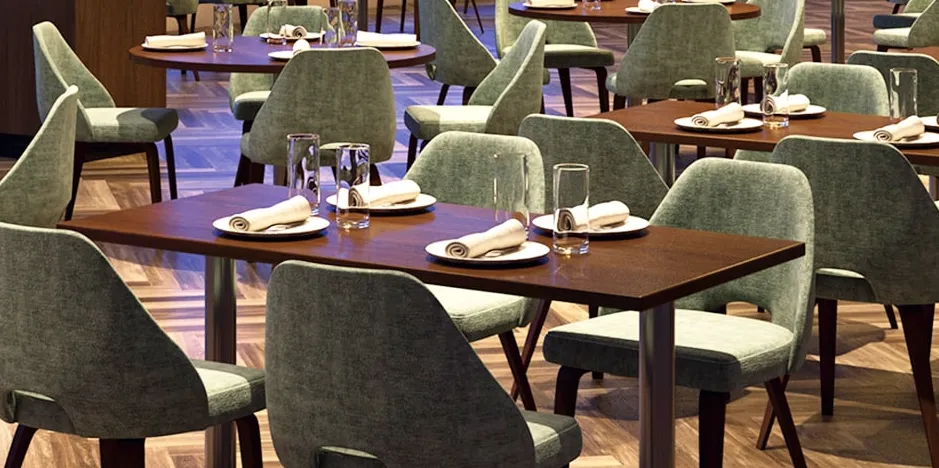
Restaurant chairs do more than fill a dining room. They shape the first impression, guide the visual mood, support guest comfort, and quietly affect how smoothly the space operates during a busy service. For interior designers, choosing restaurant chairs is not only about style. It is about finding the right balance between beauty, durability, comfort, scale, maintenance, and brand identity.
That balance matters because restaurants are operating in a highly competitive industry. The National Restaurant Association projected that the restaurant and foodservice industry would reach $1.5 trillion in sales in 2025, underscoring how important every guest-facing detail has become in commercial dining spaces.
Even when designers focus on chairs, they often compare them with surrounding seating options, including banquettes, benches, and restaurant booths for sale, because the whole dining room has to feel connected rather than pieced together.
A chair may look simple, but in a restaurant, it has to survive constant movement, cleaning, spills, shifting layouts, and different body types. Designers understand this. That is why they study restaurant chairs from several angles before recommending a final selection.
Visual Fit Comes First, But It Is Never the Only Factor
The first thing designers notice is whether the chair belongs in the room. A modern bistro, upscale steakhouse, coastal cafe, hotel restaurant, and quick service concept all need different seating personalities.
Designers usually look at:
- Shape and silhouette
- Frame material
- Seat and back texture
- Color relationship with tables, flooring, walls, and lighting
- Whether the chair feels casual, elegant, rustic, industrial, or refined
A chair can either support the concept or confuse it. For example, a sleek metal chair may work beautifully in a fast casual urban space, while a warm wood chair may feel more natural in a farm-to-table dining room. Upholstered seating can add softness and comfort, but it may not suit every concept, especially where fast cleaning and high turnover matter.
The best chair choice feels intentional. It looks like part of the restaurant story, not a random purchase added after the design was finished.
Comfort Has to Match the Dining Experience
Interior designers think carefully about how long guests are expected to sit. A coffee shop, a quick lunch spot, a fine dining room, and a wine bar all create different comfort expectations.
A short visit concept may use lighter chairs with slimmer profiles because guests are not seated for long periods. A full-service restaurant usually needs more supportive seating, especially if guests may stay through appetizers, entrees, dessert, and drinks.
Comfort is not only about padding. Designers consider seat depth, back angle, edge shape, arm clearance, and how the chair feels when someone sits down and gets up. A chair that looks beautiful but feels awkward can hurt the dining experience.
In commercial spaces, comfort should feel effortless. Guests should not think about the chair at all. They should simply feel settled.
Durability Is a Design Requirement, Not an Extra Feature
Restaurant chairs have a harder job than home chairs. They pull and push, lean on, stack, clean, and use them every day. Designers recognize that a bad chair can be a long-term problem for owners.
That’s why you see the commercial-grade structure. Designers always want good joints, robust frames, solid welds, reliable slides, and materials that will withstand continuous use. Wood, metal, laminate, plastic, or upholstery are all possible options, provided that the chair is designed for restaurant circumstances.
The durability of the dining room also impacts how long its look lasts. A chair that scratches readily, comes apart quickly, or stains easily can make the entire space look older than it is.
The right restaurant chair for designers isn’t the chair that looks good on opening day. It’s the one that’s behind the brand after months and years of service.
Scale and Spacing Shape the Whole Layout
A chair has to fit the room physically, not just visually. Designers study chair width, seat height, back height, and how much space the chair needs when pulled out from the table.
Even one inch can matter in a tight dining room. Oversized chairs may look luxurious, but they can reduce seating capacity or make service paths feel cramped. Small chairs may save space, but they can feel uncomfortable or visually weak if paired with large tables.
Accessibility is also part of smart planning. ADA guidance notes that wheelchair spaces in assembly areas require at least 36 inches of width, and that accessible routes often depend on clear movement space. Restaurant planning resources commonly reference 36-inch minimum aisle clearance as an important accessibility measure for dining layouts.
Designers use these measurements to protect both comfort and function. A beautiful dining room still has to move well.
Material Choice Affects Maintenance and Mood
Materials send a message. Wood feels warm and familiar. Metal can feel clean, industrial, or modern. Upholstery feels softer and more polished. Plastic or molded seating can feel casual, practical, and easy to maintain.
Designers look beyond appearance and ask how the material will behave in daily operation. Will the finish show fingerprints? Can the seat be wiped quickly? Will the upholstery resist stains? Can the frame handle repeated cleaning? Will the chair still match the design after heavy use?
Maintenance matters because restaurant staff need furniture that supports the pace of service. Chairs that are difficult to clean or prone to damage can slow turnover and increase replacement costs.
A good material choice supports both the guest and staff experiences.
Brand Identity Guides the Final Decision
Restaurant chairs often become part of the brand memory. Guests may not describe the furniture in detail, but they remember how the room felt. They remember whether it seemed polished, cozy, energetic, relaxed, premium, or careless.
Designers use chairs to reinforce that feeling. In a high-end dining room, chairs may need richer materials and a more composed shape. In a lively family restaurant, they may need warmth, strength, and easy movement. In a fast casual space, they may need to be lightweight, durable, and visually sharp without feeling too formal.
The chair should match the restaurant’s promise. If the food, service, lighting, and furniture all speak the same visual language, the brand feels stronger.
Budget Is Measured Through Long Term Value
Interior designers rarely judge restaurant chairs by price alone. A cheaper chair can become expensive if it requires frequent repairs or replacements. A higher-quality chair may cost more upfront, but it can protect the look, comfort, and function of the dining room for longer.
Designers often think in terms of value:
- How often will this chair be used?
- How easy is it to clean and maintain?
- Will replacement pieces be available later?
- Does the style have staying power?
- Will it support the restaurant’s desired guest experience?
This long-term view helps owners avoid buying chairs twice. The goal is not always to choose the most expensive option. The goal is to choose the chair that best fits the concept, traffic levels, maintenance needs, and brand image.
The Seat That Holds the Whole Concept Together
The right restaurant chair does not fight for attention. It supports the entire dining experience with quiet confidence. It looks like it belongs, feels comfortable enough for the meal, holds up under commercial use, and helps the room function smoothly.
Interior designers look for all of these qualities at once because restaurant seating is never just decorative. It is visual, practical, emotional, and operational.
When chairs are chosen well, guests feel the difference before they even understand why. The space feels more complete. The service feels easier. The restaurant feels more intentional. That is the real value of thoughtful chair selection in commercial dining design.

Alan Abel is a naming specialist and author at BoldlyNames, with over five years of experience in name research and selection. He helps readers choose meaningful, culturally aware, and well-suited names for people, brands, and projects. Alan’s work combines practical insight, linguistic understanding, and real-world naming trends to deliver clear, reliable guidance readers can trust.