

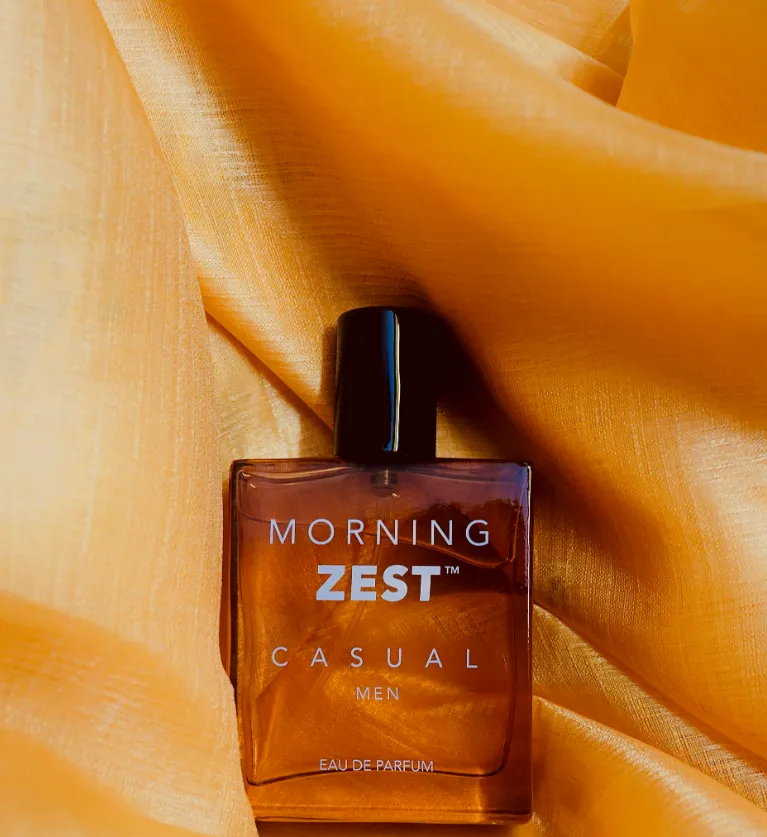
Perfume dupes have captured increasing attention as more consumers seek value, transparency and individuality in their fragrance choices. Discussions across review sites and forums now examine not only what constitutes a dupe but also how ordinary shoppers evaluate them as trusted alternatives to higher-priced perfumes. Understanding what makes a dupe, and why it resonates, sheds light on changing luxury preferences and ethical considerations in fragrance shopping.
Once limited to in-the-know shoppers, the idea of hunting for affordable versions of luxury scents is now a widely accepted practice. Rising living costs and increased awareness of consumer rights have prompted many to rethink how and why they choose certain fragrances. The search for a perfume dupe often leads users through detailed comparisons of notes, lasting power and projection in social media groups and online reviews. With the internet making scent discovery more accessible, people are redefining their fragrance choices according to practical needs and specific qualities rather than brand status.
Understanding the real meaning of perfume dupes
The word “dupe” in fragrance refers to a perfume that shares a similar scent profile with a well-known, often higher-priced original. Unlike direct replicas or counterfeits, dupes such as the Baccarat Rouge 540 dupe, are intended to evoke the same mood or experience without being exact copies. Many shoppers turn to these products for affordability and accessibility rather than for status or exclusivity.
It is important to distinguish between a dupe and a counterfeit product. While a dupe aims to offer a comparable experience, a counterfeit is a deliberate attempt to mislead by copying branding and packaging. To illustrate, a dupe might list top, heart and base notes in a manner similar to the original fragrance but describe them as “inspired by” rather than “identical”. A counterfeit, however, might copy packaging and branding elements to deceive customers.
Key factors driving demand for fragrance alternatives
Several forces are fueling the interest in dupes within the fragrance market today. Economic factors such as higher luxury prices and a focus on getting better value for money have shifted shopper priorities toward finding affordable scents for daily use. For instance, buyers may compare the longevity of a dupe, often described as lasting “6–8 hours” or “through the workday”, against more expensive originals when assessing cost-effectiveness.
Cultural trends, including social media platforms and discovery sites, contribute to the rise of fragrance dupes by enabling rapid sharing of opinions and note breakdowns. Community members frequently exchange information about how closely the opening notes, dry-down, sillage or projection of a dupe align with the original.
How shoppers judge quality and scent similarity
When evaluating a potential dupe, most consumers pay close attention to how closely it matches the original in scent and performance. Key features such as top, heart and base notes, along with aspects like projection and lasting power, inform personal judgments. For example, users might say that the opening has a “sweet, airy quality”, followed by a “spicy saffron heart” and ends with a “warm, woody base”, mirroring common descriptors found in original fragrance reviews.
Word-of-mouth and digital communities continue to play a critical role in shaping consensus about what qualifies as a convincing alternative. Honest reviews can reveal whether a dupe delivers on scent longevity and projection or falls short. For example, some reviewers detail how a dupe maintains its scent throughout a busy day, while others note a difference in complexity during the dry-down phase.
How brands and industry adapt to dupe culture
In the face of rising interest in fragrance alternatives, luxury brands are taking steps to safeguard their reputations while engaging with consumer curiosity. Some invest in unique bottle designs, intricate storytelling or exclusive formats to reinforce their distinct identities. For example, a brand might release limited-edition bottles or emphasize artisanal methods to highlight differences that go beyond scent, addressing details that dupes do not replicate.
Accessible fragrance brands emphasize originality, ingredient quality and clear labeling to stand out. They may use straightforward packaging and make transparent claims about the composition or ethical sourcing of their products to build consumer trust. The industry as a whole has responded with innovations such as simplified note breakdowns, sample sets and clear point-of-sale descriptions, helping shoppers understand both what makes a fragrance unique and how it might compare to better-known scents. These methods encourage informed choices and recognize the nuanced needs of diverse fragrance consumers.
Ethical considerations in the pursuit of fragrance value
For many people, buying a dupe involves weighing affordability against an appreciation for creative work. While some shoppers prioritize cost and accessibility, others are concerned with recognizing originality and supporting innovation.
Online communities often discuss these points, weighing the benefit of a $40 dupe that makes a scent accessible to more people against the argument that purchasing only originals supports continued creativity in perfumery.

Alan Abel is a naming specialist and author at BoldlyNames, with over five years of experience in name research and selection. He helps readers choose meaningful, culturally aware, and well-suited names for people, brands, and projects. Alan’s work combines practical insight, linguistic understanding, and real-world naming trends to deliver clear, reliable guidance readers can trust.