

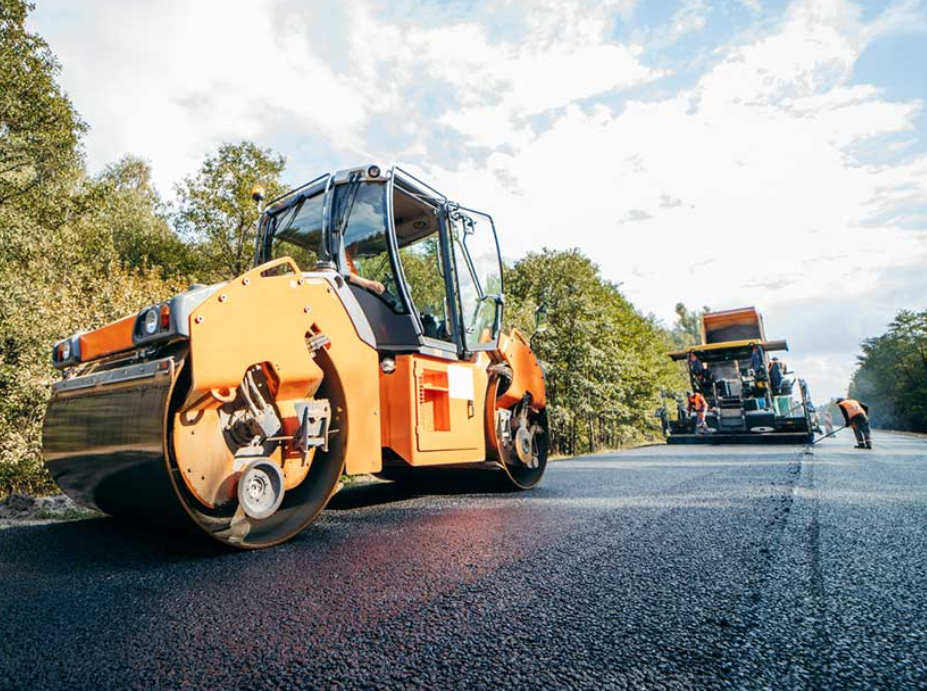
A paved surface often looks simple once the job is done. A smooth driveway, a clean parking lot, or a well-finished private road can seem like the natural result of hiring a crew and laying asphalt. In reality, quality paving depends on many decisions that happen long before the first truck arrives. The contractor you choose, the condition of the site, the quality of the materials, and the planning behind the project all shape the final outcome.
That is why choosing the right asphalt and paving company matters so much. A strong contractor does more than install blacktop. They help evaluate the site, explain what the project truly needs, recommend the right approach, and complete the work in a way that holds up over time. A poor contractor may leave you with drainage issues, premature cracking, uneven surfaces, or repairs that show up far sooner than expected.
Whether you are planning a residential driveway, a commercial parking lot, a private lane, or a larger paving upgrade, the process deserves careful attention. The best results come from understanding your goals, asking the right questions, and working with a paving contractor that values both workmanship and long-term performance.
Start by Understanding What Your Project Actually Needs
Before comparing contractors, it helps to get clear about the project itself. Not all paving jobs are the same, and the needs of one property may be very different from another.
A residential driveway usually focuses on appearance, durability, drainage, and daily vehicle use. A commercial lot or roadway often involves heavier traffic, stricter regulations, safety considerations, and a greater emphasis on long-term wear. If you do not define the scope clearly at the beginning, it becomes harder to judge whether a contractor is truly qualified for the work.
Residential and Commercial Paving Are Not the Same
A homeowner may care most about curb appeal, clean edges, and a smooth finish that complements the property. A business owner may be more concerned with traffic flow, striping, accessibility, load-bearing strength, and minimizing disruption to customers or operations.
That difference matters. A contractor who does excellent driveway work may not always be the best fit for a large commercial paving project. In the same way, a company focused mainly on large commercial jobs may not offer the detail and customer guidance that residential clients want.
When speaking with any asphalt and paving company, ask about the kinds of projects they handle most often. Experience in the specific type of work you need usually leads to better planning and fewer avoidable problems.
Think Beyond the Surface Finish
A paved area is only as good as what supports it. The finished asphalt may look attractive on day one, but if the grading, base preparation, or drainage is poor, the surface may begin to fail much sooner than expected.
That is why good contractors ask detailed questions early. They want to know how the area is used, what traffic it sees, how water moves across the site, and what problems may already exist. These details shape everything from material thickness to installation methods.
Build a Realistic Budget Before Work Begins
Budgeting for paving should involve more than looking at the total square footage and waiting for a quote. The cost of an asphalt job depends on several factors, and understanding them early helps you make more confident decisions.
Know What Drives the Cost
The size of the area is only one part of the equation. The condition of the existing surface, the amount of excavation required, the thickness of the asphalt, the quality of the base, drainage needs, and site access all affect pricing.
For example, paving over a stable and well-prepared surface is very different from rebuilding a failing lot with drainage issues and subgrade instability. Two projects that look similar in size may end up with very different costs because the preparation work is not the same.
A reputable paving company should explain these differences instead of simply giving a single number with little context.
Leave Room for the Unexpected
Even well-planned projects can uncover surprises. Hidden damage, poor base conditions, or water-related issues may not become obvious until work begins.
That is why it is wise to set aside a modest contingency in your budget. Giving yourself some flexibility reduces stress and makes it easier to deal with site-specific issues without compromising the quality of the job.
Site Assessment Is One of the Most Important Steps
A proper site evaluation is not a small detail. It is one of the main reasons one paved surface lasts and another begins breaking down early.
A strong asphalt and paving company should want to inspect the area carefully before finalizing the plan. This is where many important decisions get made.
Drainage Can Make or Break the Project
Water is one of the biggest threats to paved surfaces. If water pools on top of the asphalt or seeps into weak areas below it, the surface will almost always deteriorate faster.
Good contractors look closely at slope, runoff patterns, nearby grading, and any history of standing water. They understand that drainage is not separate from paving. It is part of paving. If the site is not directing water properly, the surface above it will suffer.
Soil and Base Conditions Matter More Than Most People Expect
The subgrade and base layer carry the weight of the surface. If the soil beneath is unstable, poorly compacted, or too wet, the asphalt above can crack, shift, or rut.
This is why experienced paving contractors pay attention to compaction, soil condition, and site preparation rather than rushing straight to installation. A smooth finish is easy to admire, but the real strength of the project often lies in the work that no longer shows once the job is complete.
Look for the Signs of a Reliable Paving Contractor
Once you understand your project and budget, the next step is evaluating contractors carefully. Choosing an asphalt and paving company should never come down to price alone.
Experience Is a Major Advantage
A contractor with years of relevant experience has likely dealt with difficult grading, weather-related challenges, drainage corrections, material delays, and the normal surprises that happen on real job sites.
That does not mean newer companies cannot do good work. But experience usually improves judgment, and paving is one of those trades where judgment matters a lot. An experienced team is more likely to spot potential issues early and solve them before they affect the final result.
Ask to see examples of recent projects similar to yours. A strong company should be comfortable discussing past work and explaining how it handled site conditions, timing, and finish details.
Certifications and Warranties Matter
Certifications, professional memberships, and manufacturer relationships can tell you that a contractor takes the work seriously. They suggest that the company stays connected to industry standards rather than operating casually.
Warranties matter too, but only if you understand what they actually cover. A warranty should not be treated as a substitute for quality workmanship. It should be an added layer of confidence. Ask what is covered, how long the coverage lasts, and what conditions might affect it.
Reviews Can Reveal the Real Experience
Online reviews are useful when read with care. Look for patterns, not just star ratings. If several clients mention clear communication, reliable scheduling, strong workmanship, and fair handling of problems, that is encouraging. If the same complaints appear repeatedly, pay attention.
Customer feedback often shows how a company behaves after the contract is signed, which is just as important as how they present themselves during the sales process.
Ask Better Questions During the Selection Process
Good questions often reveal more than polished marketing language. When speaking with a paving contractor, focus on how they think, explain, and plan.
Pay Attention to Communication
A paving project usually goes more smoothly when communication is clear from the beginning. Are they responsive when you ask questions? Do they explain the process in plain language? Do they answer directly, or do they stay vague?
A company that communicates well early on is usually easier to work with when scheduling, weather shifts, or unexpected site conditions arise.
Review the Proposal Carefully
A strong proposal should be specific. It should describe the scope of work, surface preparation, materials, thickness, timeline, and pricing in enough detail that you understand what is being offered.
A vague estimate can lead to confusion later. If a bid does not clearly explain what is included, ask for clarification. A trustworthy asphalt paving contractor should be willing to walk through the estimate line by line.
Talk Honestly About Timing
Scheduling matters, especially for commercial properties or heavily used residential areas. A reliable asphalt and paving company should be able to give you a realistic sense of when the work can begin, how long it should take, and what factors might delay the schedule.
Be cautious with promises that sound too perfect. Weather, material supply, and site conditions all affect paving. Honest contractors acknowledge that reality instead of pretending every project runs without interruption.
Choose a Contractor You Can Actually Work With
Technical skill matters, but working relationship matters too. The best projects often come from a mix of competence, honesty, and mutual respect.
Collaboration Helps the Project Go Better
Clients do not need to manage the technical side of paving, but being engaged helps. A good contractor should welcome reasonable questions, explain decisions, and make space for client priorities where appropriate.
At the same time, a good client relationship also means being open to the contractor’s guidance. If an experienced paving company raises concerns about drainage, thickness, or timing, that advice is often worth listening to. The best results usually come when both sides are working toward the same outcome rather than arguing over every detail.
Trust Is Built Through Consistency
A contractor who shows up when expected, communicates clearly, and follows through on what was promised makes the entire experience easier. That consistency often matters just as much as the finished surface itself.
If the company seems disorganized, evasive, or difficult to reach before work starts, there is a good chance those same issues will continue during the project.
Do Not Overlook Post-Project Care
Finishing the paving job is not the end of the story. Long-term performance depends in part on how the surface is treated after installation.
Early Care Helps Protect the New Surface
Fresh asphalt needs time to cure properly. Heavy use too soon can leave marks, depressions, or unnecessary stress on the new surface. A good contractor should explain how long to wait before driving on it, when to avoid sharp turning or parked heavy vehicles, and what to expect during the curing period.
These instructions are not minor details. They help protect the investment you just made.
Ongoing Maintenance Extends Lifespan
Even a well-installed surface needs maintenance. Crack sealing, sealcoating when appropriate, proper drainage upkeep, and early repair of small issues all help extend the life of the pavement.
A strong asphalt and paving company should be able to give you practical maintenance guidance based on the type of project completed. That advice can save you money over time by reducing the need for larger repairs later.
A Good Paving Company Can Become a Long-Term Partner
When a paving project goes well, it often creates value beyond the immediate job. A contractor who understands your property, your standards, and your priorities can be a useful partner for future work.
This is especially helpful for business owners, property managers, and homeowners planning phased improvements over time. Once a company has proven reliable, future communication often becomes easier, and planning becomes more efficient.
The Right Choice Pays Off for Years
Choosing the right asphalt and paving company is about more than getting the surface installed. It is about protecting the durability, function, and long-term value of the finished work.
The best contractors bring more than equipment and labor. They bring site awareness, realistic budgeting, careful preparation, clear communication, and the skill to deliver a finished surface that performs well long after the job is done.
Whether you need a residential driveway or a large commercial paving project, taking the time to choose wisely can save you money, stress, and repair work down the road. A quality paving job starts with a quality contractor, and that decision is one of the most important parts of the entire project.

Alan Abel is a naming specialist and author at BoldlyNames, with over five years of experience in name research and selection. He helps readers choose meaningful, culturally aware, and well-suited names for people, brands, and projects. Alan’s work combines practical insight, linguistic understanding, and real-world naming trends to deliver clear, reliable guidance readers can trust.